


Supporting the Energy Sector: Linear Motion in Onshore and Offshore Applications
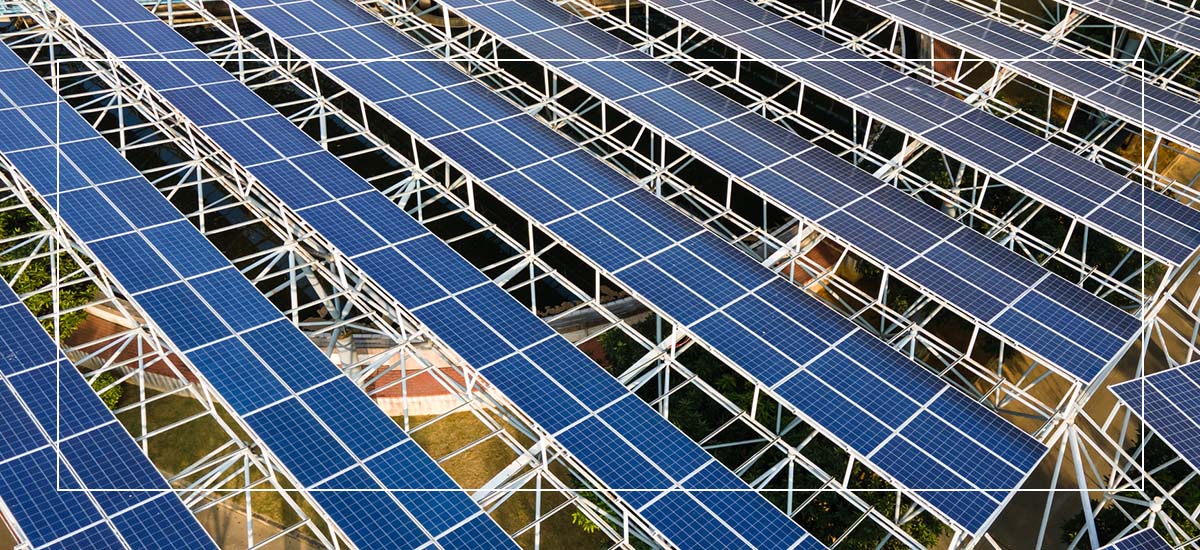
The energy sector operates in some of the harshest environments on the planet. From desert solar farms and Arctic microgrids to subsea oil and gas fields, production equipment must withstand corrosion, temperature fluctuations, vibration and shock that would break down conventional devices within months.
High-quality linear motion systems enable precise, controlled movement, keeping production flowing reliably in these extreme conditions. Any unplanned downtime can cause lost productivity, emergency repair costs and potential safety incidents.
Understanding Linear Motion Systems in Energy Applications
Selecting the most effective linear motion solutions requires knowing which components and materials perform reliably in specific conditions and applications. Understanding these fundamentals helps engineers make the most practical decisions during the design process.
Energy applications rely on three primary actuator types:
- Hydraulic systems: High-force capacity for extraction, drilling and similar operations
- Pneumatic actuators: Rapid actuation where compressed air infrastructure is present
- Electric linear actuators: Precise positioning with integrated digital monitoring capabilities
Guides and rails support these actuators by maintaining true motion throughout thousands of loading cycles. Bearings distribute forces across an adequate surface area to prevent premature wear in high-load applications. Control systems integrate sensor feedback with actuator positioning to maintain production flow within safe operating parameters.
Performance requirements extend beyond basic functionality. Load capacity must account for both steady-state operation and transient peak loads. Environmental resistance varies by installation — offshore systems require protection against salt spray and pressure differentials, while onshore equipment must withstand exposure to hydrocarbon vapors, dust infiltration and temperature extremes during seasonal operation.
Onshore Applications
Linear motion systems in onshore energy production control flow rates, position valves, adjust equipment angles and automate operations in extraction, processing and renewable generation facilities.
Specific examples of these applications include:
- Extraction and wellhead operations: Pumpjacks convert rotary motion into reciprocating vertical movement, drawing crude oil from wells. Wellhead automation uses linear actuators to remotely control flow rates, responding within seconds to commands from distant facilities. Hydraulic fracturing equipment incorporates friction slides that cycle continuously during operations that can last several days.
- Refineries: Inside refineries, linear actuators position gates and diverters that route materials through each processing sequence. These systems require repeatability measured in fractions of a millimeter. Cable management systems organize and protect the extensive wiring connecting sensors, actuators and control equipment throughout processing facilities.
- Renewable energy: Solar tracking systems adjust the panel angles throughout the day to maximize energy capture. Commercial arrays need actuators that hold position against gusts while maintaining smooth motion during adjustments. Wind turbine pitch control systems make thousands of minor adjustments to the blade angle daily to optimize energy capture across varying wind speeds.
- Pipeline infrastructure: Automated inspection tools travel through pipelines using linear motion components to detect corrosion, wall thinning and structural defects. Valve actuation systems control flow rates and pressure across pipeline networks, requiring precise positioning for throttling and isolation operations. Leak detection systems incorporate linear actuators to position monitoring equipment and operate emergency shutdown valves when sensors identify pressure anomalies or flow irregularities.
Offshore and Subsea Operations
Offshore and subsea environments introduce more severe operating conditions than onshore applications. Challenges in these operations are caused by the following stressors:
- Saltwater corrosion: Continuous exposure degrades exposed metal surfaces and penetrates protective oxide layers.
- Pressure differentials: Subsea equipment experiences extreme external pressures that need compensation to prevent seal failure.
- Temperature cycling: Components endure near-freezing subsea water temperatures and surface equipment exposed to direct solar heating.
- Dynamic loading: Wave and current forces require mounting structures that can accommodate shock and vibration.
Platform drilling systems handle loads exceeding hundreds of thousands of pounds. Tensioning systems continuously adjust to counteract the forces of waves and currents. Rack-mounted control electronics and monitoring equipment with ruggedized trays and shelves withstand constant platform motion and shock loading.
Subsea equipment operates under additional constraints. Remotely operated vehicle (ROV) manipulator arms require reliable actuation for underwater tasks. Wellhead control systems must function for years between maintenance intervals.
Additionally, offshore linear motion systems typically require third-party certification from an accredited provider. These certifications verify that equipment design, materials and manufacturing processes meet industry standards for offshore service. Certification includes design reviews, fabrication surveillance and testing to confirm the equipment can withstand specified environmental and operational conditions.
Material and Design Considerations

Choosing the right material often determines whether a linear motion system can survive a harsh environment or fail prematurely. Offshore applications require upgraded alloys that resist chloride-induced corrosion where standard stainless steels are insufficient. Onshore equipment requires materials resistant to sulfide stress cracking and operational shock.
Sealing strategies also impact system longevity and performance. Multistage seal designs feature wipers, primary seals and backup seals to prevent contamination in dusty onshore environments and corrosive offshore conditions. Subsea equipment often uses pressure-balancing systems that reduce seal loading and extend service intervals in deep-water installations.
Technological Innovations Transforming Performance
Unplanned failures result in high costs that extend beyond parts replacement and repairs, including lost production, emergency mobilization and potential safety incidents. Digital monitoring and predictive analytics technologies are transforming the way operators manage the reliability of linear motion systems.
Integrated sensor systems enable real-time monitoring of linear motion components. Vibration sensors detect developing bearing problems before catastrophic failure, while pressure transducers track actuator loading patterns that indicate wear and tear. Position feedback confirms that programmed movements occur correctly throughout the component’s service life.
Predictive maintenance algorithms analyze sensor data to forecast service requirements before failures occur. These strategies allow operators to schedule maintenance during planned shutdowns rather than responding to emergency breakdowns.
Remote operation capabilities and advances in control engineering enable specialists at central facilities to monitor and control equipment across multiple sites, improving response times and reducing the need for on-site personnel in hazardous locations.
Selecting the Right Linear Motion Solution
Effective system selection requires analyzing actual operating conditions rather than relying on generalized rules or specifications. Load calculations must account for transient conditions and dynamic effects, not just steady-state forces. Consulting an experienced manufacturer early in the design process prevents costly mistakes and often reveals that custom solutions prove more cost-effective than adapting a one-size-fits-all system beyond its intended functionality.
Balancing reliability and cost-effectiveness requires understanding the actual operational risks and their consequences for your specific application. Overengineering wastes capital without yielding proportional reliability gains, while underspecification can lead to expensive failures in the field. Partnering with a manufacturer with solid expertise in the energy sector is critical.
Jonathan Engineered Solutions has decades of experience in developing custom linear motion systems for various applications. Our engineers work directly with customers from concept through production, delivering solutions optimized for specific requirements rather than upselling off-the-shelf designs.

Discover More With Jonathan Engineered Solutions
At JES, our engineers can analyze your operating conditions, load profiles and environment to recommend an optimal solution tailored to your specific needs. We provide comprehensive support across each project phase, from initial consultation and design to prototyping and installation. Contact us today to learn more about how our products and services can benefit your business.
Speak with a Sales Representative
Our representatives have a wealth of knowledge on all our products – let them steer you in the right direction.
Learn More
